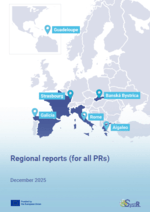
This district is part of the “compact city”, characterised by vibrant, densely inhabited neighbourhoods that offer a rich variety of cultural and recreational activities, yet face a shortage of green spaces. With 64% of its land already developed and only 8 m² of green area per inhabitant, the site reflects many of Rome’s urban challenges, making it a strategic location for exploring nature-based solutions that enhance urban resilience and liveability.
In Rome, the SystR project focuses on nature-based solutions (NBS) and urban blue infrastructure to strengthen climate resilience, address urban heat, and enhance liveability in vulnerable neighbourhoods.
The project implements measures such as urban lakes, rooftop ponds, and rainwater harvesting systems, strategically located in densely populated areas to reduce the Urban Heat Island effect and provide much-needed cooling. A particularly innovative action involves repurposing Rome’s iconic public fountains into an integrated system that collects and reuses water to irrigate new green spaces created by transforming paved areas and streets.
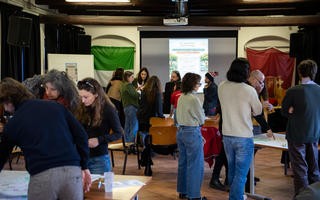
The project activities in Rome are led by the Centro Euro-Mediterraneo sui Cambiamenti Climatici (CMCC), providing scientific and technical support. Roma Capitale, as a public authority, will drive urban adaptation strategies and implement solutions, while A Sud leads local stakeholder engagement and supports the identification of suitable areas for future replication of the NBS solutions. As an associated partner, ACEA, the city’s water and electricity utility, will represent private sector interests - particularly in managing water resources and addressing cascading impacts on the energy system.
Rome’s flexible governance structures will enable the testing of public-private partnerships, the integration of urban and tourism risk management plans, and cross-sector collaboration, creating a replicable model for systemic urban climate resilience.